Solutions
Our solutions are designed to displace unsustainable and environmentally damaging feedstocks for the paper and textile industries by utilising an abundant waste resource from food plantations.
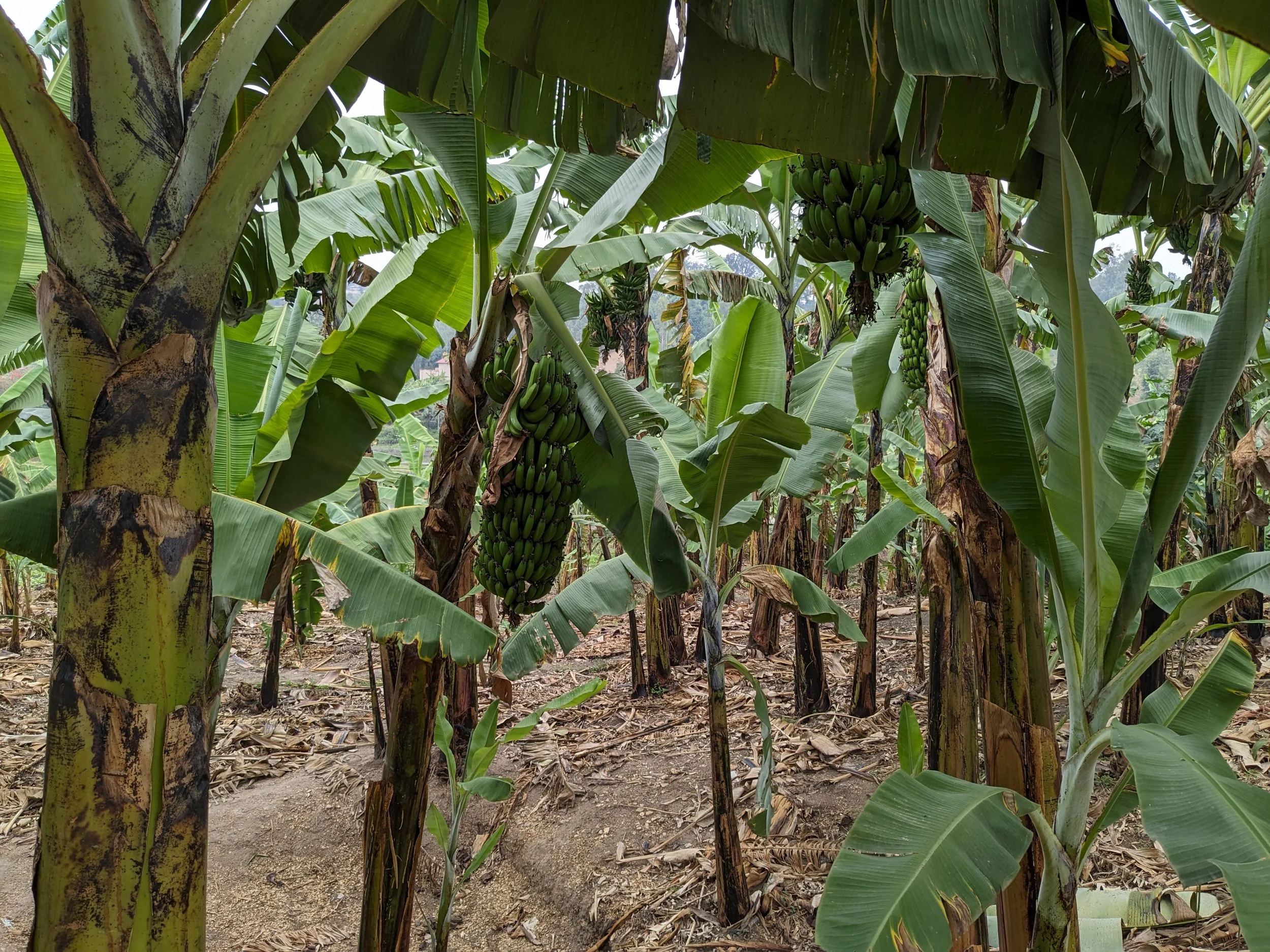
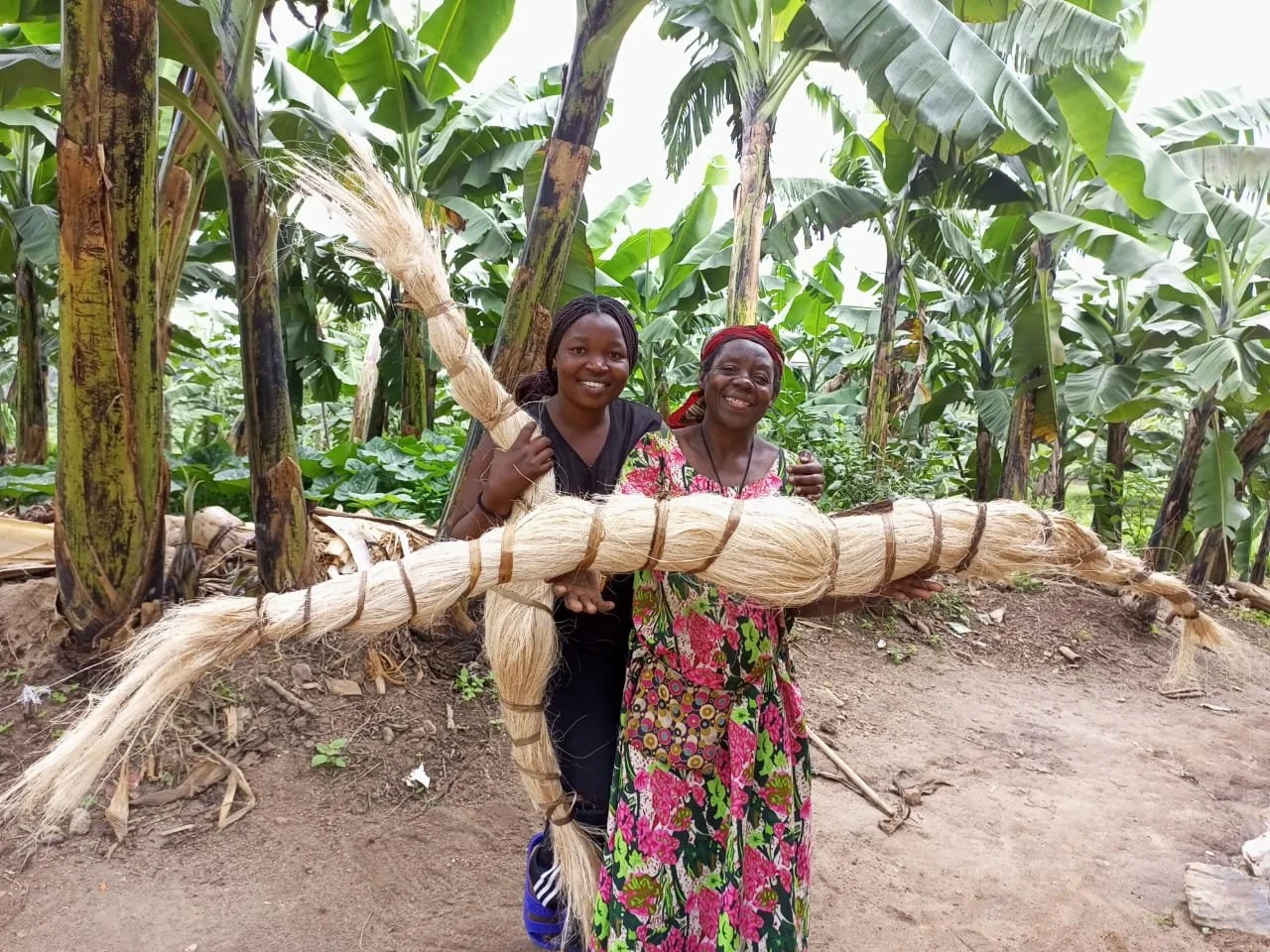
BanaCycle® harvests the cellulose-rich pseudostem (trunks) of banana trees and transforms them into consistent, scalable, and sustainable fibre alternatives.
We offer a variety of solutions at different maturity levels and are seeking partners to test the limits of banana fibre in industrial applications.
Pulp and paper sustainable solutions
BanaCycle® Containerboard Alternative (BCA)
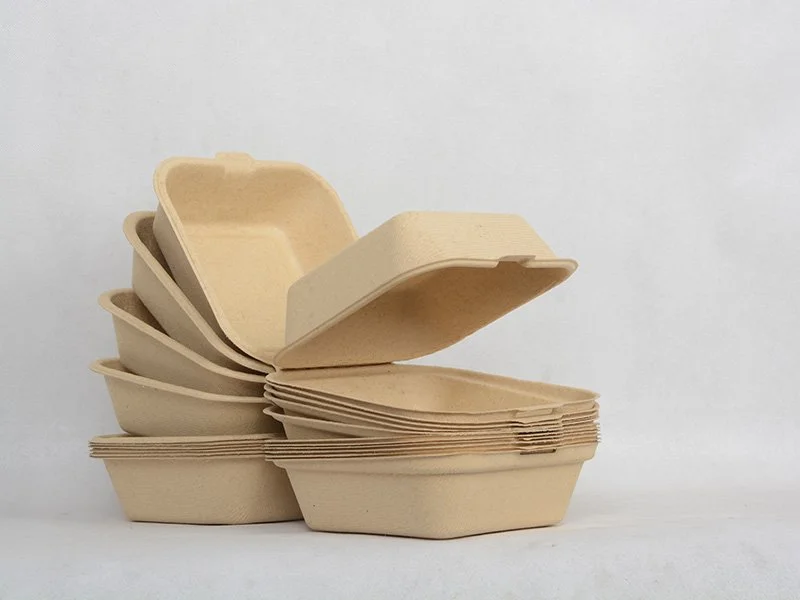
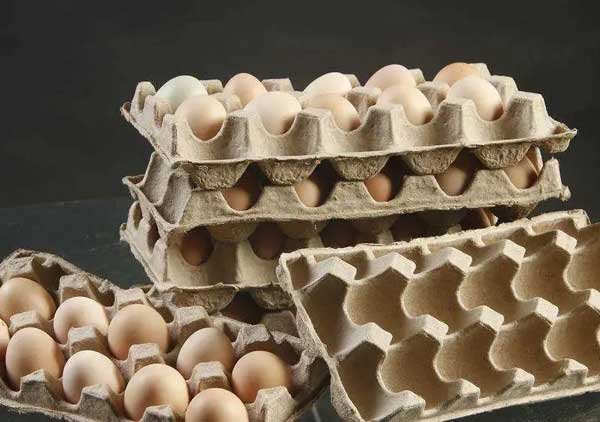
BanaCycle® Containerboard Alternative is a next-generation packaging material engineered to match the performance of conventional wood-pulp containerboard, while dramatically reducing environmental impact.
This material offers the same critical mechanical properties required for traditional containerboard applications, including strength, stiffness, and processability. It is designed as an alternative, compatible with existing containerboard manufacturing infrastructure and downstream converting processes.
BCA is designed to be compatible with conventional chemical and mechanical pulping approaches, depending on the target grade and furnish design. The fibre can be introduced as a blended component alongside virgin or recycled wood pulp, or evaluated as a primary furnish component. It is compatible with existing paper machine configurations, including forming, pressing, drying, and calendering sections, and does not require fundamental changes to downstream corrugating, printing, or converting operations.
The material is engineered to exhibit stable drainage and formation characteristics on standard paper machines. It responds predictably to refining energy, wet-end additives, and sizing systems commonly used in containerboard production, supporting operation at industrial machine speeds and facilitating integration into existing process control frameworks.
Consistency and quality control are addressed through controlled preprocessing and fibre preparation steps that ensure uniformity in fibre characteristics across production batches. The fibre supply is sourced from an agricultural by-product with scalable availability, supporting reproducible sheet properties aligned with commercial containerboard specifications and qualification requirements.
BCA provides a practical platform for evaluating non-wood fibre systems without compromising manufacturability, runnability, or end-use performance. It enables fibre diversification, raw material risk mitigation, and reduced dependency on forest-based inputs, while remaining compatible with established production assets, quality standards, and internal development protocols.
The material is suitable for use across a range of containerboard applications, including linerboard, corrugating medium, secondary packaging, and transport packaging. It can also be deployed in hybrid furnish strategies to optimise performance, cost, or sustainability metrics depending on application requirements.
BanaCycle® Fluff Pulp Alternative (BFPA)
Banana fibre–based fluff pulp is an alternative absorbent fibre material engineered to replicate the functional, structural, and processing characteristics of conventional wood-derived fluff pulp.
The banana fibre fluff is engineered to exhibit fibre morphology, bulk, and porosity comparable to softwood fluff pulp grades used in absorbent hygiene and industrial absorbent applications. The fibre structure supports rapid fluid uptake, effective liquid distribution, and high absorbent capacity, enabling performance parity.
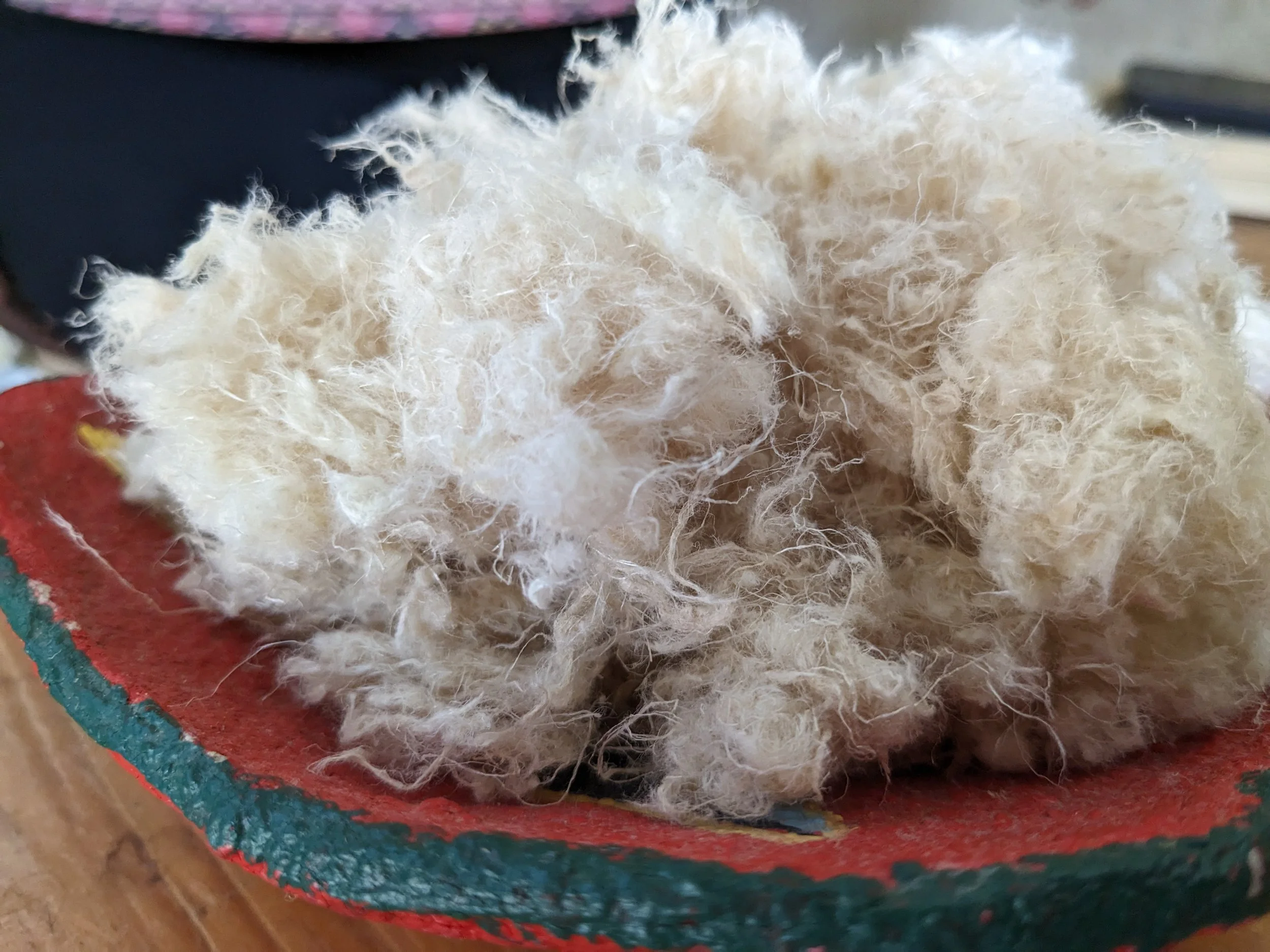
BFPA is compatible with conventional chemical pulping processes used in fluff pulp production. The fibre can be processed to achieve appropriate cleanliness, brightness, and fibre separation characteristics required for absorbent end uses. It responds predictably to defibration and hammermill processing, supporting effective fibre individualisation and web formation during downstream converting.
BFPA is designed to integrate with existing fluff pulp handling systems, including bale handling, shredding, air-laying, and core forming operations. The material demonstrates stable behavior during low-speed processing and maintains bulk and loft under compression, supporting consistent absorbent core structure and product performance.
BFPA provides a platform for evaluating non-wood absorbent fibre systems while maintaining compatibility with existing production assets, qualification protocols, and performance benchmarks. It enables diversification of fibre supply, reduced reliance on forest-based softwood pulp, and alignment with long-term sustainability and raw material risk mitigation strategies.
Textiles sustainable solutions
BanaCycle® Banana-cotton Textile Alternatives (BCTA)
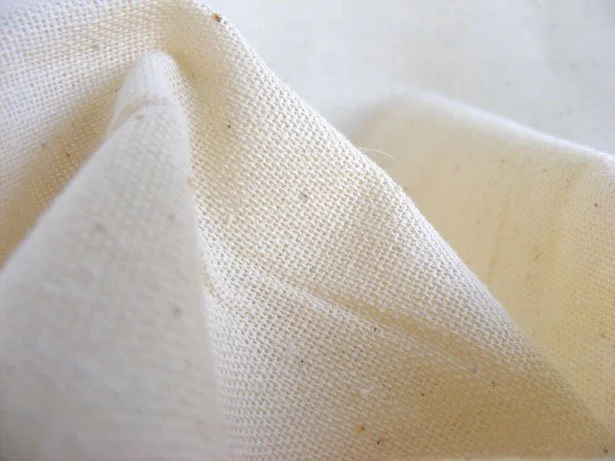
BanaCycle® has developed a cotton-like bi-product for a variety of applications, such as a compostable absorbent solution for sanitary products and nappies, or spun into yarn for textiles for numerous wearable textile applications, and can be blended with cotton, nylon, or linen yarn.
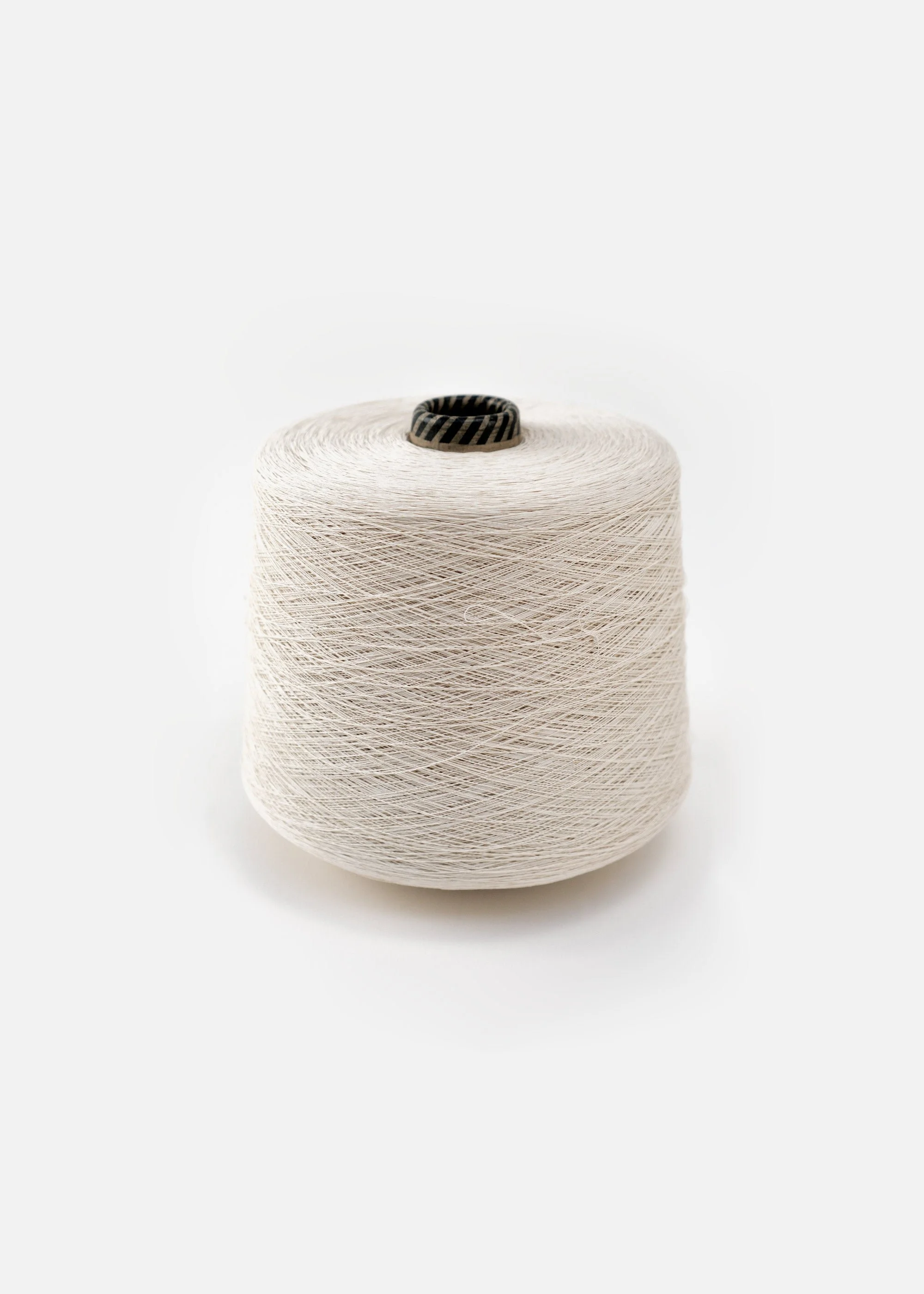
BCTA is engineered to achieve fibre length distribution, fineness, and surface characteristics compatible with staple fibre spinning systems. Its morphology supports fibre cohesion, drafting stability, and twist insertion during spinning, enabling yarn formation using conventional cotton spinning technologies.
In spinning and downstream textile processing, banana fibre yarns demonstrate stable runnability and consistent yarn structure. The fibres maintain cohesion under spinning stresses and exhibit acceptable hairiness, evenness, and strength characteristics aligned with commercial yarn specifications. The yarns are compatible with conventional weaving, knitting, and finishing processes, enabling integration into existing textile manufacturing workflows.
Moisture management and comfort-related properties of banana fibre yarns are comparable to those of linen, supporting absorbency, breathability, and thermal comfort in textile applications. The cellulosic structure allows effective dye uptake using conventional dyeing systems, enabling standard colouration and finishing processes without significant modification.
Banana fibre–based spinnable fluff fibre provides a platform for evaluating non-cotton, non-wood cellulosic fibres without requiring fundamental changes to spinning or textile manufacturing infrastructure. It enables fibre diversification, reduces dependency on water- and land-intensive cotton cultivation, and aligns with sustainability and raw material risk mitigation objectives.