Every year, 3 billion trees are cut down to produce paper pulp, while 2.5% of Earth’s arable land has been cleared for cotton production.
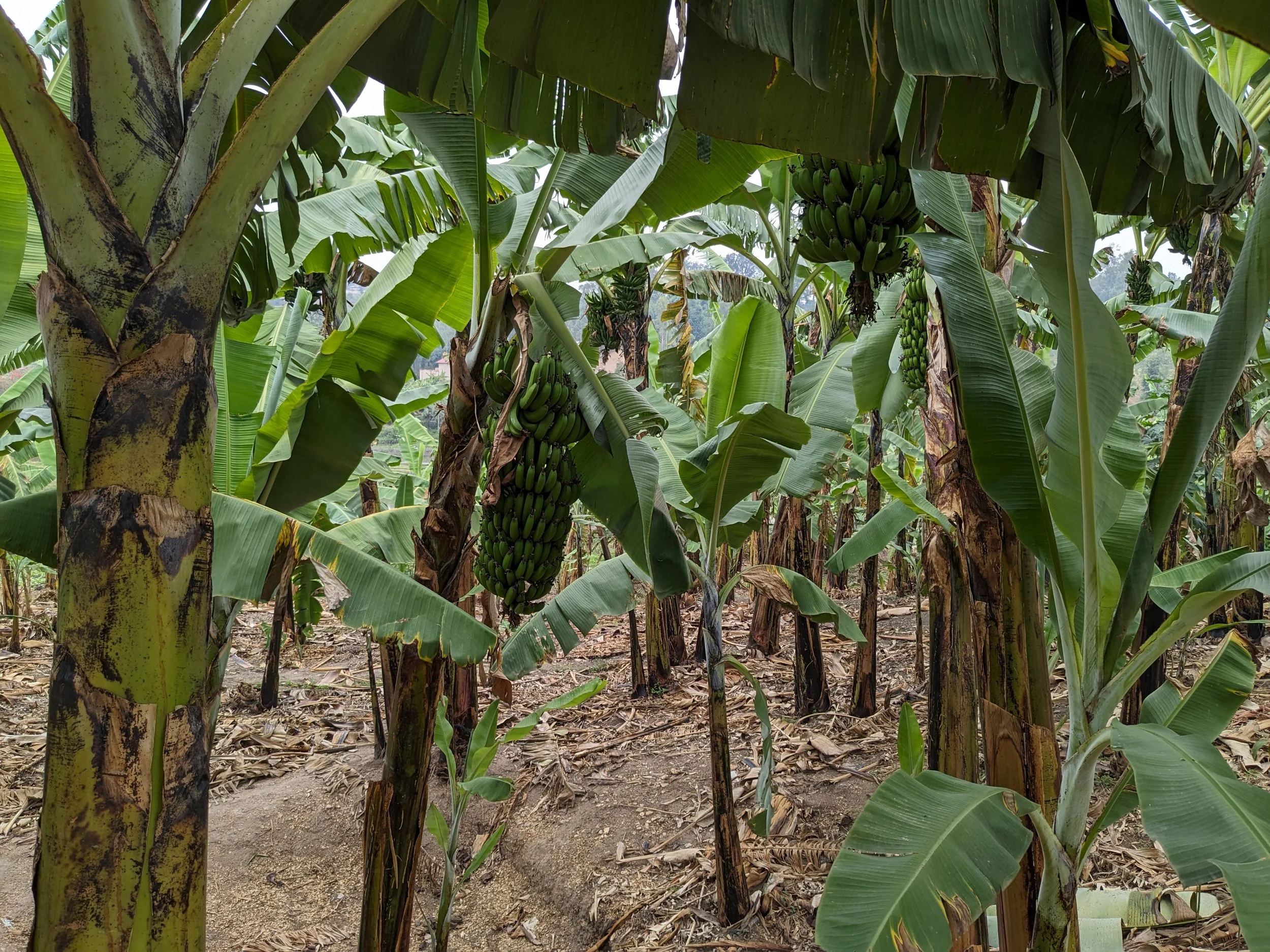
Industrial farming and forestry is unsustainable, requiring large-scale land clearing, excessive use of fertilisers and pesticides. Further, current mainstream fibres like bamboo and cotton convert millions of hectares of biodiverse ecosystems into industrialised monocrop forests and farms that further damage ecosystems, reduce biodiversity and result habitat loss.
BanaCycle® was created to support global industries' shift away from unsustainable monocrops for paper pulp and textiles, and provide a sustainable supply of plant fibres, repurposed from an already abundant source.
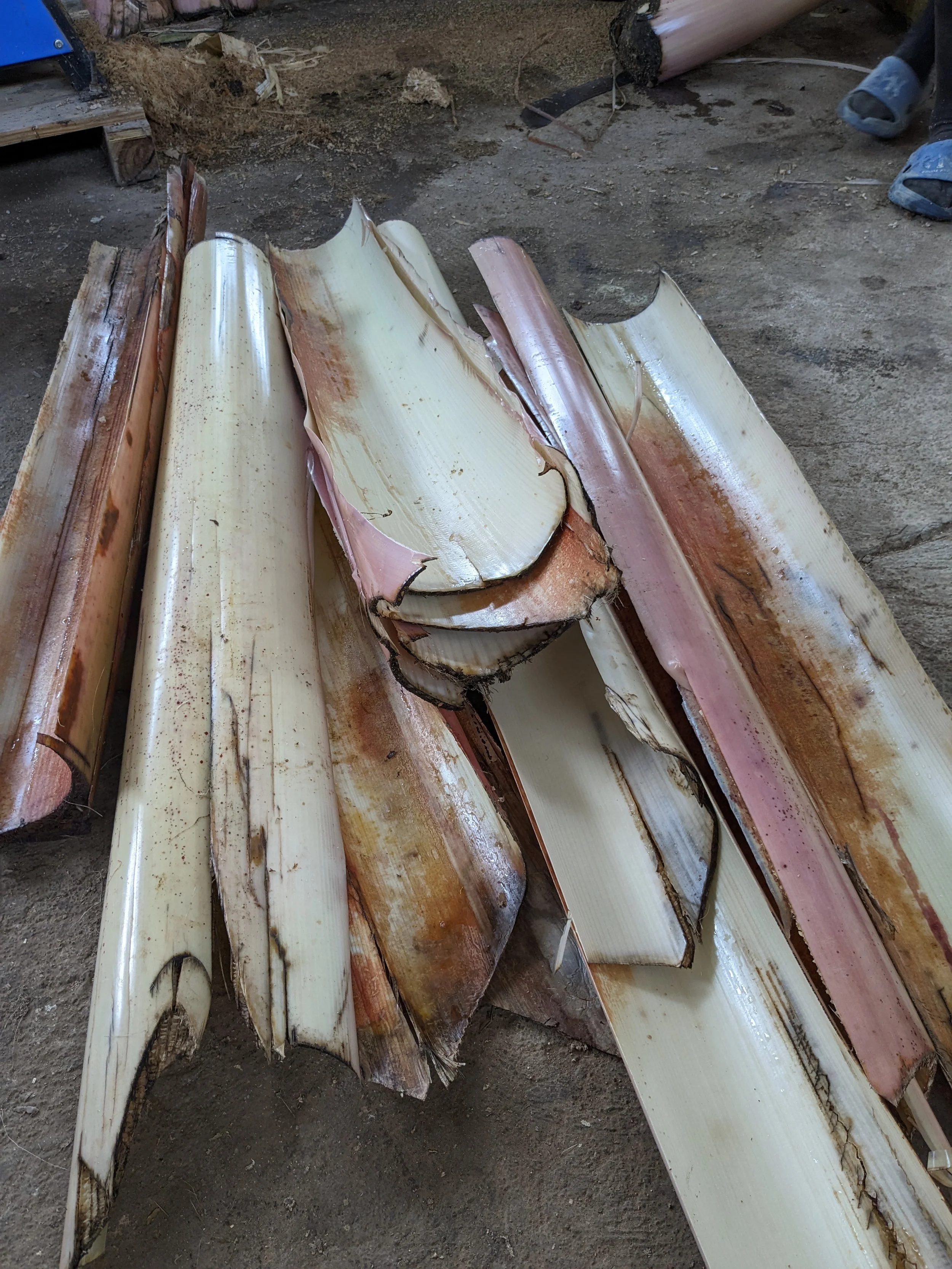
Banana crops generate 114M+ metric tones of plantation waste.
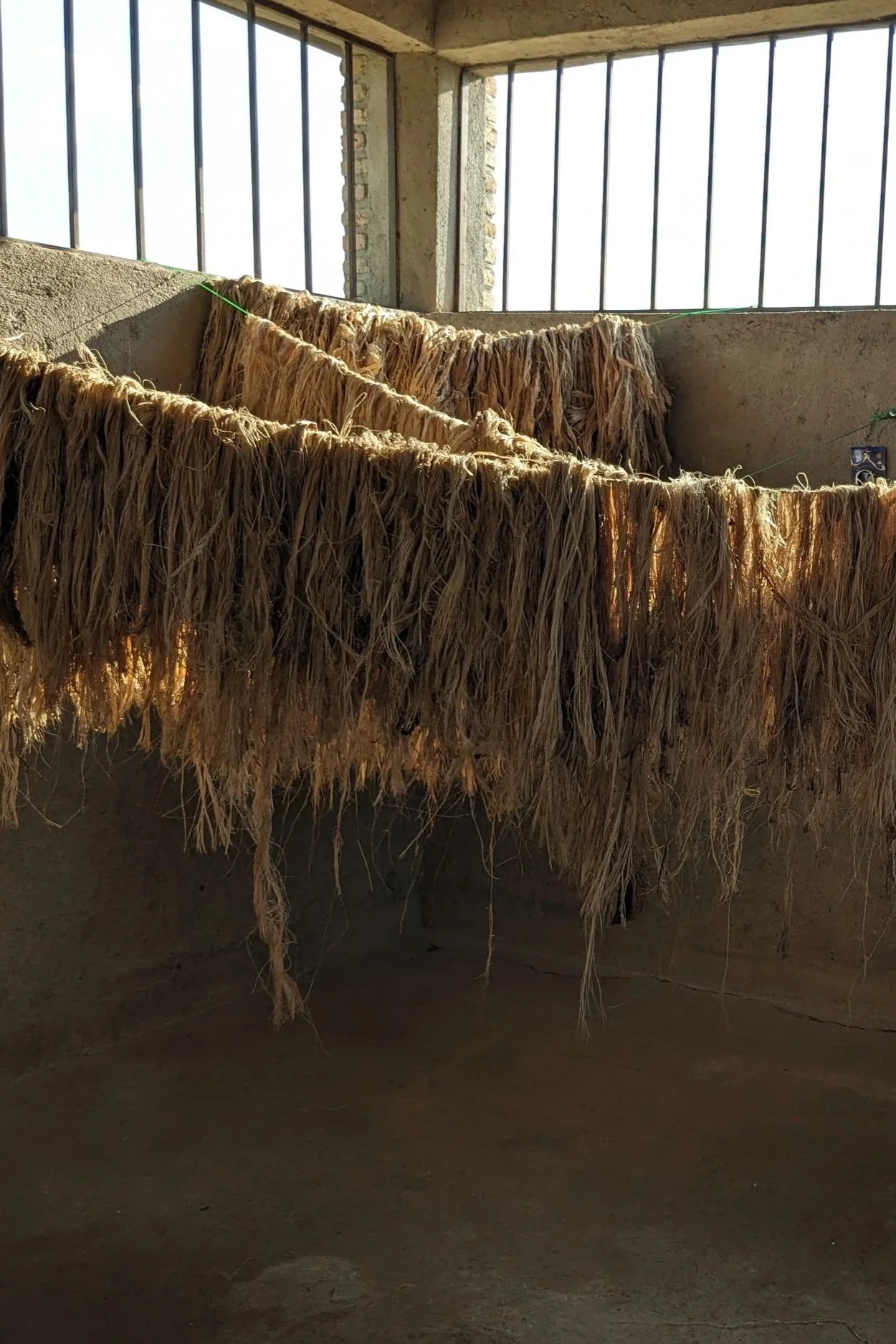
Plantation waste from banana farms generates approximately 114M+ metric tonnes of annual waste. This is an untapped source of cellulose. BanaCycle® has developed processing techniques to effectively extract cellulose and integrate the fibre into existing paper and textile production as a sustainable product.
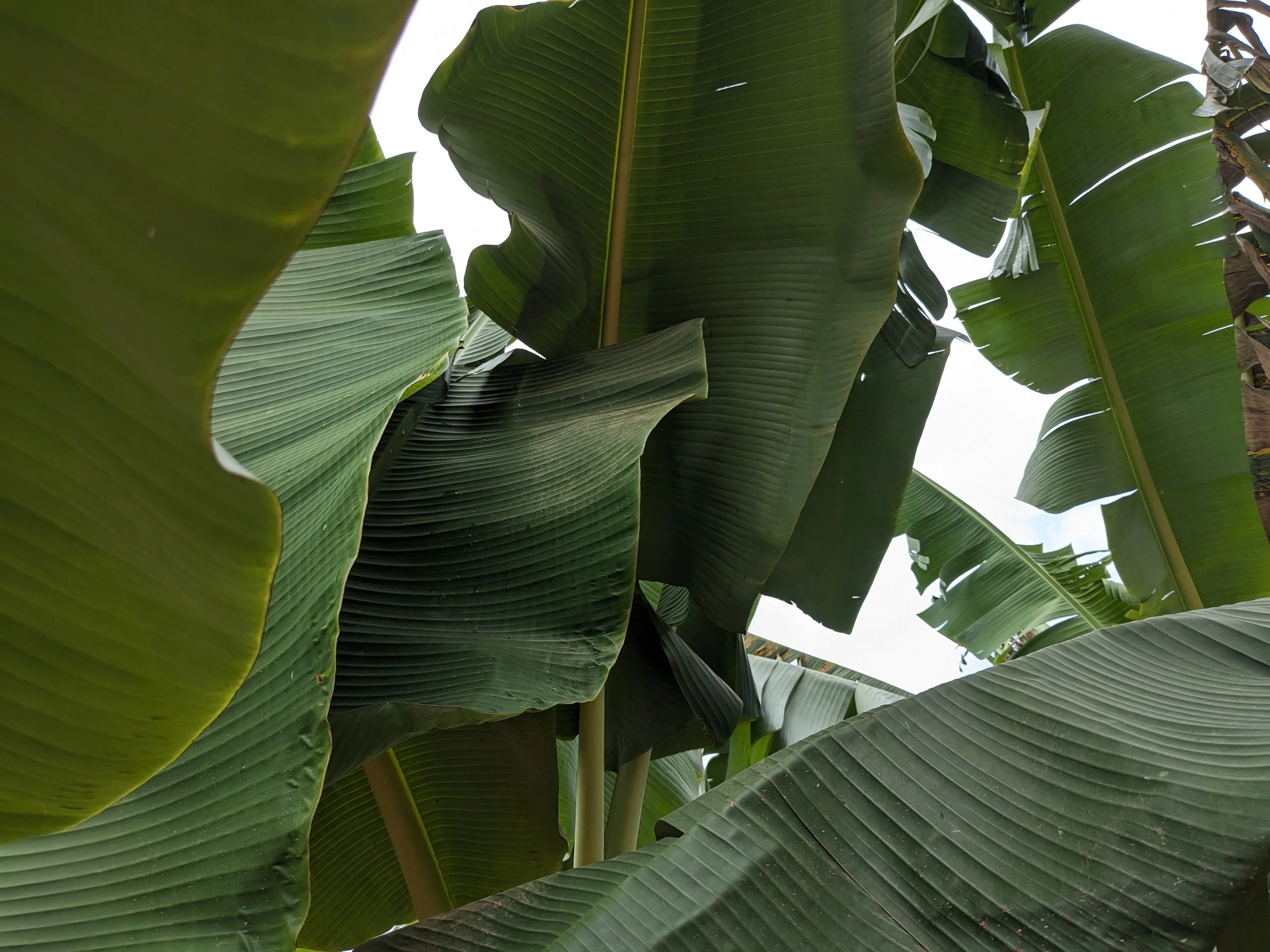
BanaCycle® is moving key UN Sustainability Goals
BanaCycle® produces positive outcomes across the value chain. Starting at the farm, we provide diversified employment and training opportunities to the local workforce and new revenue streams for farmers, all while reducing the harmful climate impact of traditional paper pulp and textile feedstocks. We are committed to working with gender-equitable growers and suppliers so that all gains are realised across diverse equity-seeking groups.
By 2030, we aim for 50% of our suppliers to be women-led or owned.
We are achieving this through selective partnerships and tendering, and by providing funding to help women start their own businesses in the banana fibre ecosystem.
By 2030, we aim for 80% of our banana fibre supply to be sourced from small-hold banana farmers and provide $20M in direct economic impact to our banana growers.
We are achieving this through a distributed network of farming partners and processors and focused re-investment into the growers’ regions.
By 2030, we aim to raise the annual incomes of our growers by 20%, providing greater financial stability and greater defensibility from climate impacts and market forces.
We are achieving this by paying fair prices for the banana tree waste, offering new income sources for growers.
By 2030, we aim to displace 30% of wood fibre, bamboo, and cotton requirements from our manufacturing partners.
We are achieving this by creating a competitive, sustainable supply chain that can scale banana fibre supply and economically compete with unsustainable alternatives.